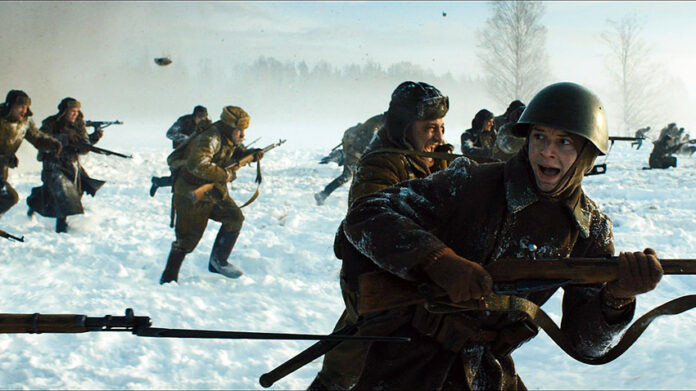
5 obsolete tactics used by Russians to attack Ukraine.
Russians rely heavily on Soviet doctrine of war and tactics, as it is regarded by them as almost sacred “road to glory”. They fall victim to the Soviet people’s great victory myth in World War II, always reducing the huge input of the Allies and the U.S. lend-lease of $11.3 billion to the Soviets. Living in fantasy world explains why Russians did and still do so badly in much weaker (in the military sense) Ukraine. This article examines the outdated 20th century tactics that failed the Russians in their invasion of Ukraine.
1. Seizure of Ruzyně Airport
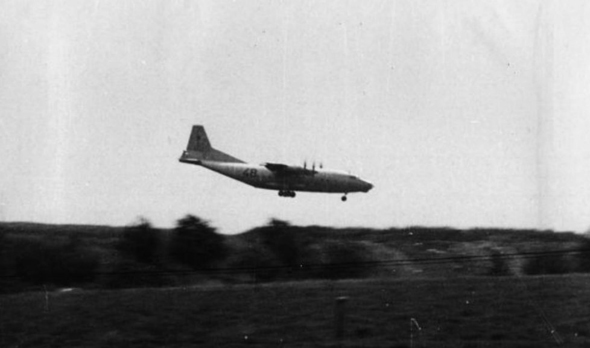
On August 20, 1968, around 10 p.m. dispatchers of Prague – Ruzyně International Airport received a request for emergency landing from Russian civilian AN-21 airplane, after landing it stays still until 11 p.m.. Then the plane starts its engines and suddenly a strong radio signal blocks the radars of the airport. Soon more AN-21s with Soviet paratroopers landed and captured the airport. At the same time, Soviet and Warsaw Pact armies moved from Ukraine, Poland and Bulgaria and took over Czechoslovakia in a blitzkrieg.
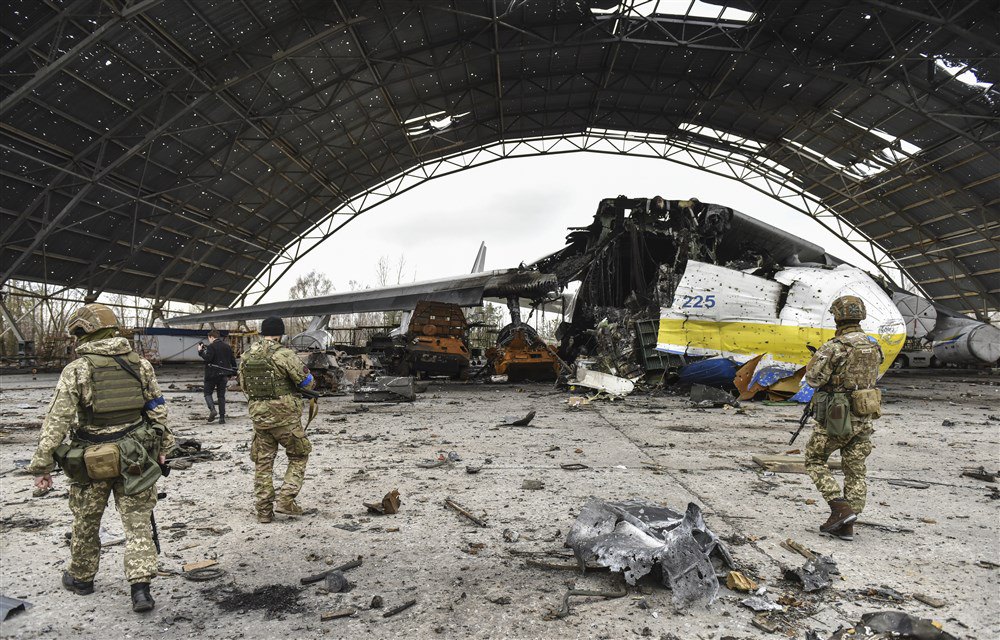
The Russians similarly invaded Ukraine – on February 24, 2022, trying to crush the Ukrainian Revolution of Dignity as they had crushed the Prague Spring. Russian command attacked Ukrainian Gostomel (Antonov) airport with missiles and 30 KA-52 helicopters in the morning of February 24, after the first wave 18 MI-6 helicopters landed 300 elite paratroopers of 45th Guards Spetsnaz Brigade. After five helicopter attacks and fighting that lasted all day, the Gostomel airport was retaken by the Ukrainians and after bombing made the landing of aircraft impossible. At the same time, convoys of tanks from Russia and Belarus flooded towards Kyiv.
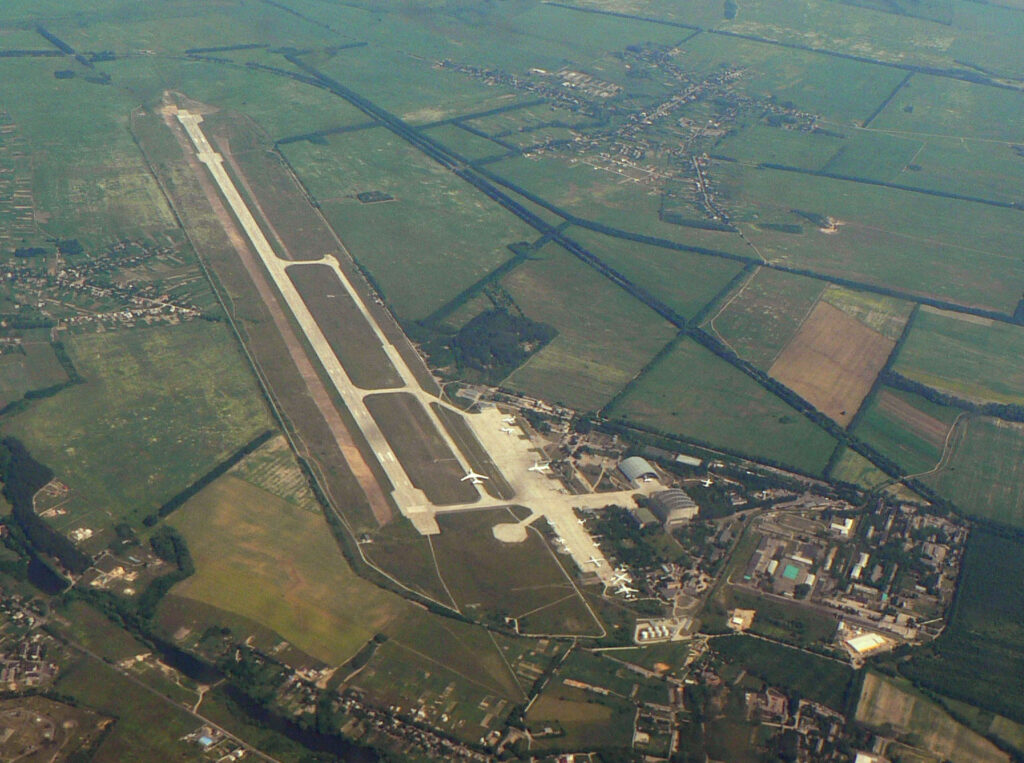
But the battle for the Gostomel airport shattered the Russian invasion plan like a house of cards. Russian Spetsnaz was supposed to land in great numbers and capture Zelensky and the Ukrainian command in Kyiv. The enemy did not even have a plan B to capture Boryspil International Airport – they were blinded by the Czechoslovak “success”.
2. Blitzkrieg Tactics
Blitzkrieg was a new and powerful tactic invented by the Germans after learning the mistakes of trench warfare in WWI. The idea was simple – move quickly into enemy territory with motorized armored divisions, avoiding the stationary enemy lines. On August 18th, France attacked the territory of Belgium and the wooded Ardennes – avoiding the heavily fortified Marginau Line on the French-German border. With this rapid attack, the Germans shocked the French command and shattered unorganized forces…
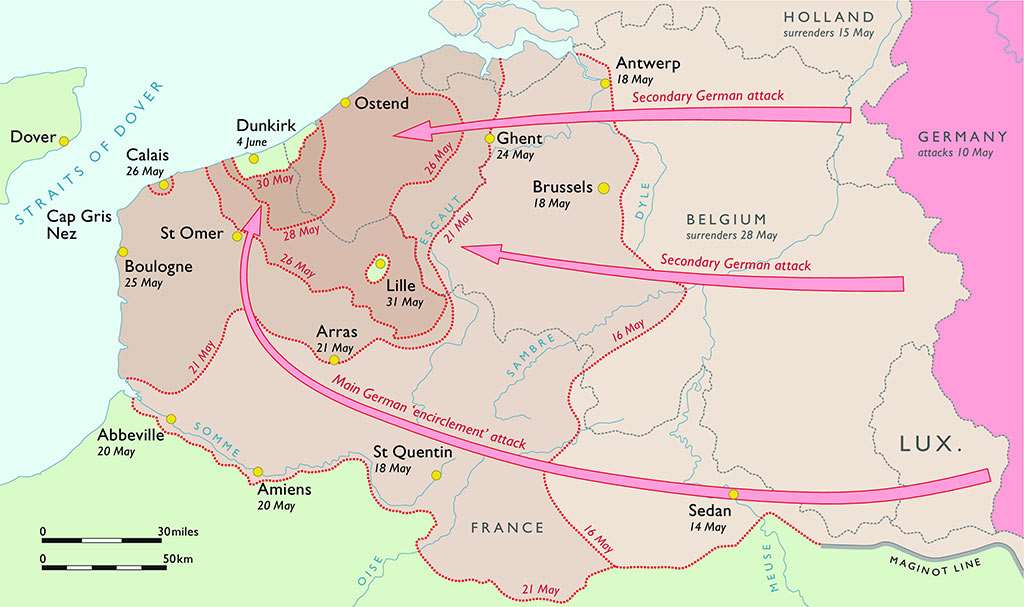
At the same time as the battle for Gostomel airport was taking place, Russian armored divisions were moving from Belarus and Russia to capture the capital of Ukraine. Russian forces did not encounter much resistance and rolled on to Kyiv. But problems began when many armored vehicles were stuck on the road in front of collapsed bridges or just waiting for orders after the Gostomel operation went down the drain.
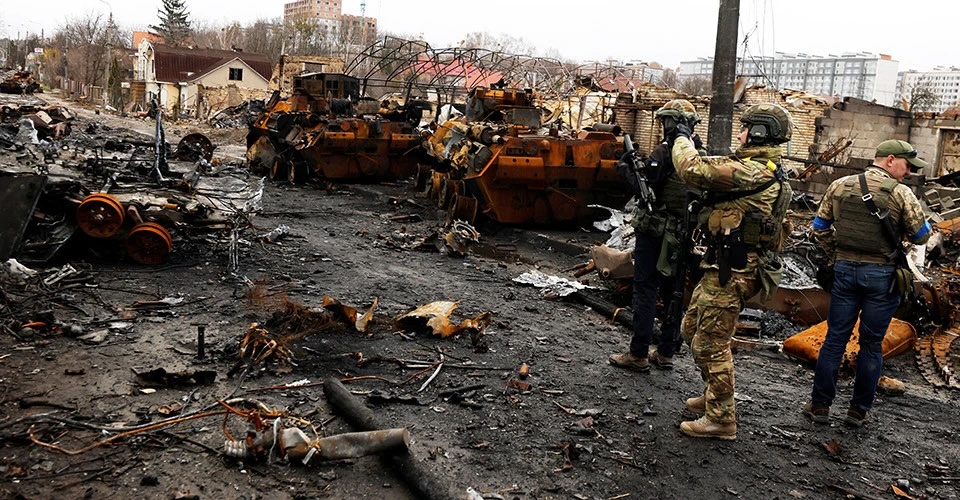
Russian tanks became easy targets for infantry armed with Javelin rocket launchers. When the Spetsnaz failed to capture Kyiv, issues with fuel and provisions began accumulating. Tank convoys got stuck on open roads and suffered heavy losses from Ukrainian aviation and infantry. Later, Russian troops had to retreat to regroup and find a new strategy.
Blinded by the previous “successes” of the Czechoslovak invasion and the Georgian war, the Russians thought that the incursion into Ukraine would be an easy ride. Their blitzkrieg was far from the victorious Ardennes operation and more reminiscent of the Battle of the Bulge (16 December 1944 to 25 January 1945), when successful blitzkrieg of German Army through Ardennes (again) was stopped and crushed by the Allies.
3. Terror bombing.
Francisco Franco had to get to Bilbao to end the civil war in Spain. He had to take Basque town Guernica first, as it was a logistics hub of Republican forces. Franco’s allies, Germany and Italy, proposed to use of the air force to crush Guernica. On April 26, 1937, the Nazi German Luftwaffe’s Condor Legion and the Fascist Italian Aviazione Legionaria bombed the entire city, including civilian quarters. Operation Rügen is estimated to have killed around 1,500 people. Spain’s nationalist forces captured Guernica and later Bilbao, but at what cost?
The Germans were certain that their new “terror bombing” tactics was highly effective. They knew that they could not only demolish enemy lines but also destroy the enemy’s morale. The Germans used it again, bombing civilians in Wieluń and Warsaw in 1939 and Rotterdam in 1940.
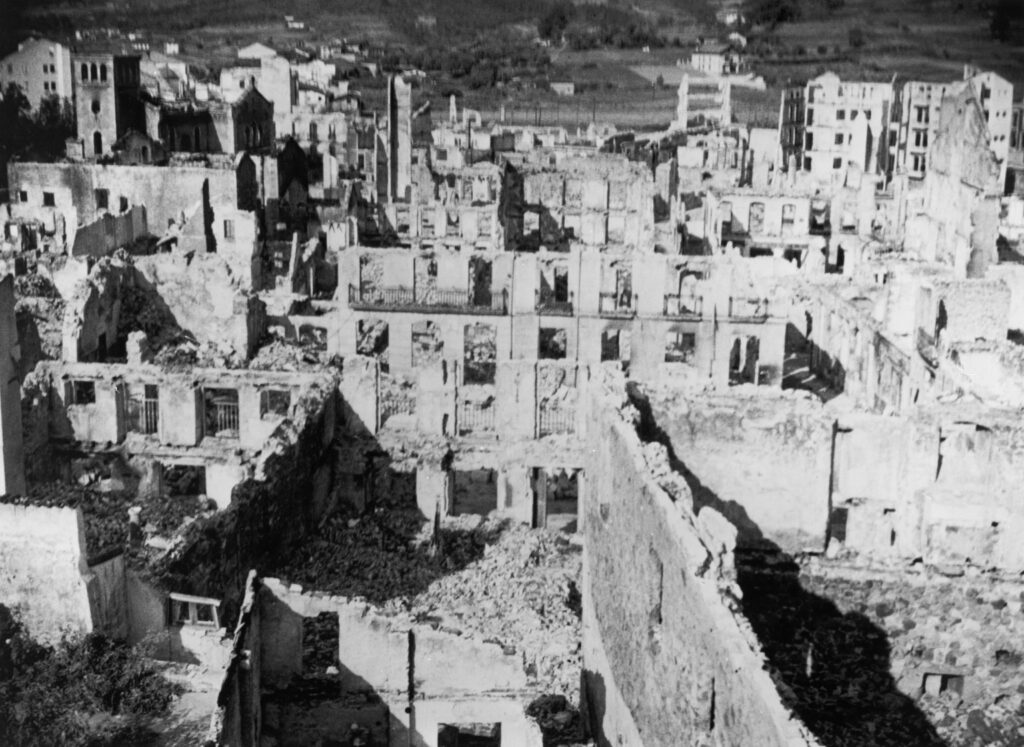
The bombing of Rotterdam resulted in the deaths of many civilians and the flight of the Dutch royal family to England.
Russia is using the same tactics of terror bombings in Ukraine that it used in the past. It is specifically targeting civilians, shopping malls, markets, railroad stations, and buildings. The Moscow command has perfected terror bombings in Syria, nearly destroying Damascus in the process. They are continuing with these Nazi tactics in Ukraine. The last bombing of Lviv was a cynical attack on downtown living quarters. The image of a man who lost his wife and three daughters after their home collapsed has shocked the world. Other cities like Kyiv, Odessa, Mykolayiv and especially Kharkiv are also suffering from continuous bombings.
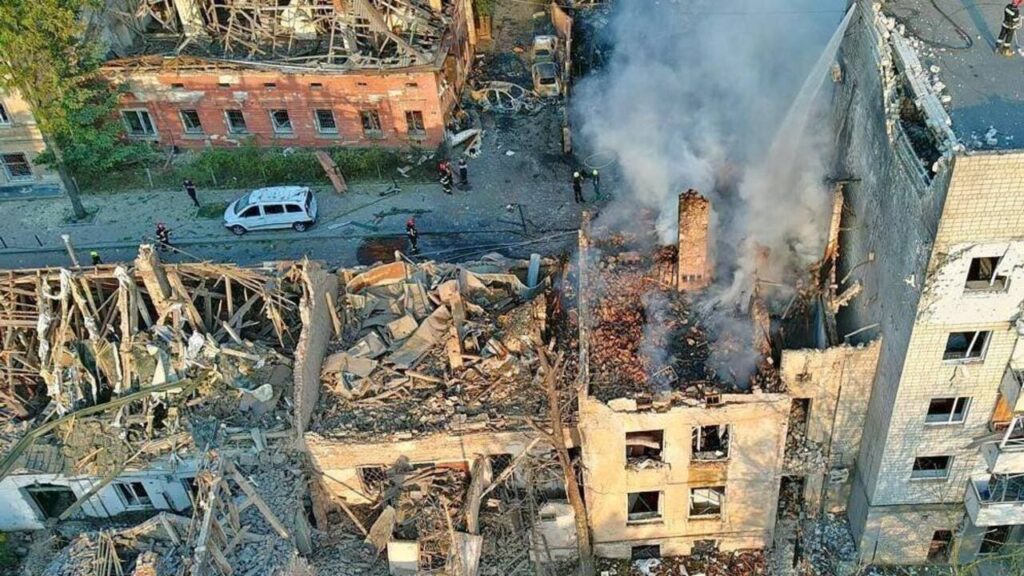
Russians hoped that Ukrainians would break and surrender, but the opposite effect took place. Ukrainians are increasingly motivated to fight and hate Russians more and more every day. Moscow, Belgorod, and other Russian cities were under massive drone attacks on September 10th. There will be more air strikes, and Russia is already facing the results of it’s own terror tactics, as Nazi Germany experienced the destruction of Dresden in 1945.
4. Zhukov’s “meat grinder attacks”.
“The general of victory” Zhukov did not engage in battle unless he had a significant advantage in troops and armored vehicles. His first victory at Halkin Gol against the Japanese army was inevitable thanks to his decisive advantage in numbers – 600,000 soldiers vs 30,000, 500 tanks vs 73, 600 aircraft vs 200, and so on.
Zhukov was renowned for his use of fodder meat tactics. The Rzhev battle, which took place between January 8, 1942, and March 31, 1943, is known as the “Rzhev meat grinder” because it saw poorly armed Soviet troops face off against Wehrmacht Army 9 and 16. It is clear that the USSR suffered significant losses, with an estimated 1,000,000 soldiers killed. Conservative Soviet sources report 400,000 dead.
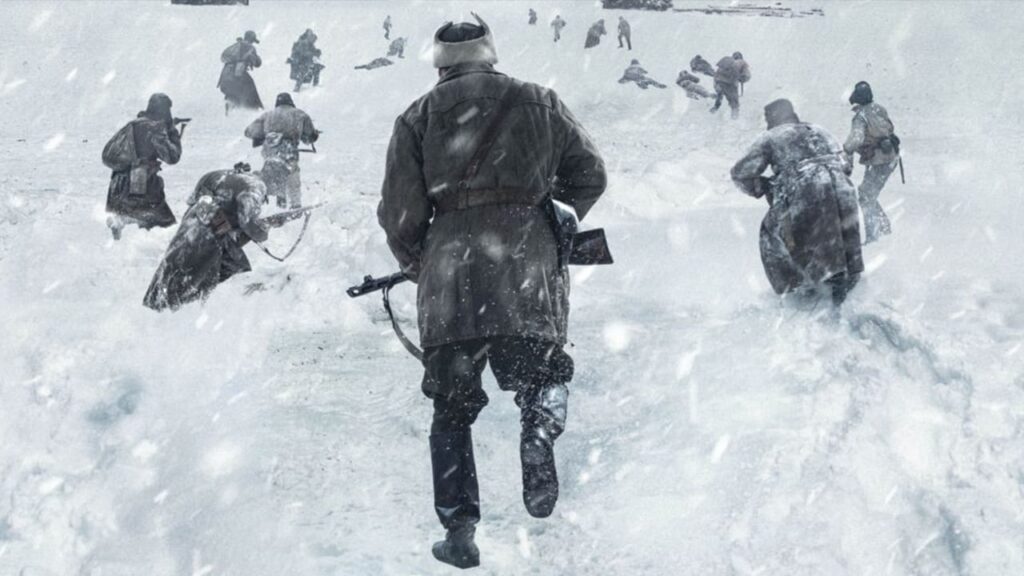
There is a reason why Soviet soldiers did not retreat in masses, as they did in 1941 when the Wehrmacht took thousands of prisoners. The Soviet command had no tolerance for “traitors” and “cowards.” They created the “zagraditelnyj battalion,” NKVD barrier troops stationed behind the army lines, who were tasked with destroying anyone attempting to retreat. Kremlin Stavka Directive No. 227 (Директива Ставки ВГК №227), issued on 28 July 1942, was called “Not a step back:”
- b) Form 3-5 heavily armed barrier detachments (200 men each) within the army. Place them in the immediate rear of unstable divisions. Oblige them to shoot panic and cowards on the spot in case of panic and disorderly withdrawal of division units. Help honest soldiers of the divisions fulfill their duty to the Motherland.
It’s no surprise that Soviet soldiers fought so “bravely”.
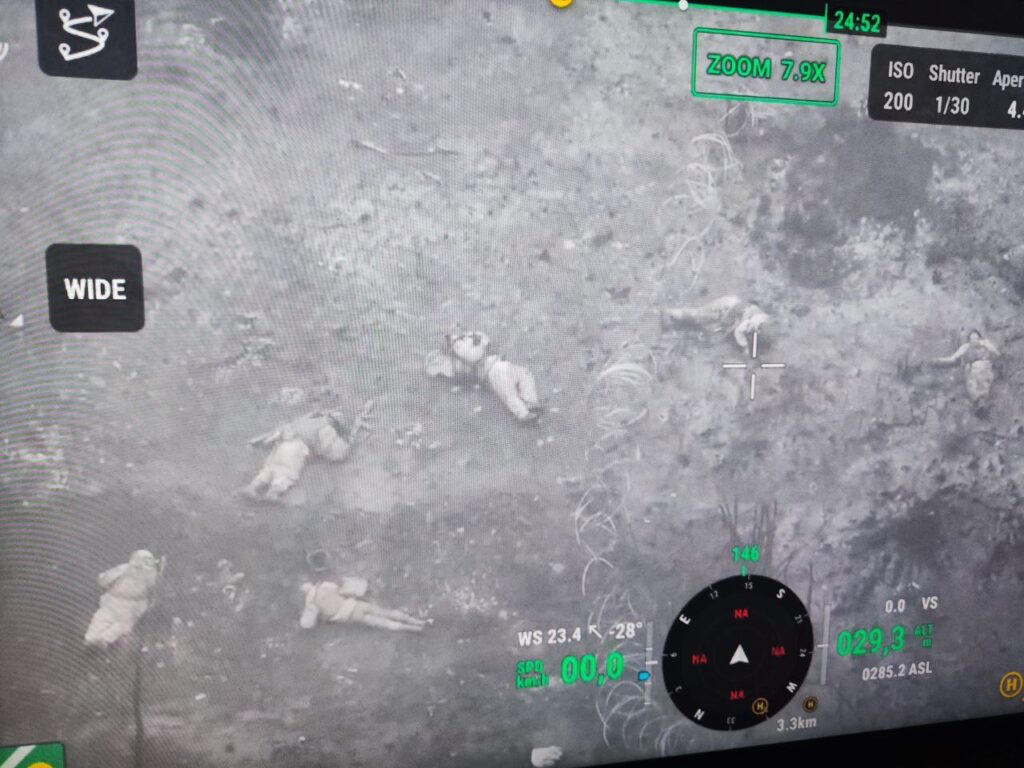
Today, Russians are still using the same “victorious” fodder meat tactics. Warlord Yevgeny Prigozhin reintroduced it during the Bakhmut offensive. Russian mercenaries/convicts were ordered to attack in small groups under heavy fire. They were losing 1,000 men each day but were advancing slowly. Modern barrier there is a new “Not a step back” order.
Once the convicts and Wagner group resources were depleted, the Russian army successfully employed this tactic with regular army troops. They are still losing thousands of men every day for a slow advance in Donetsk Oblast of Ukraine.
5. Kamikaze/banzai suicide attacks.
Kamikaze aircraft were explosive missiles piloted byJapanese military aviators who flew suicide attacks for the Empire of Japan against Allied naval vessels. About 3,800 kamikaze pilots died during the war, and more than 7,000 naval personnel were killed by their attacks.
Today, meat grinder attacks are also happening, thanks to the famous Russian fatalistic mentality described in detail by Dostoyevski. Ukrainian soldiers are perplexed by the insanity of men who attack their lines on bikes in open terrain or run to random buildings to plant Russian flags under artillery fire. There is ample evidence of suicides among invaders’ army soldiers, who shoot themselves or put grenades under bulletproof vests. Make no mistake: even in the 21st century, life in Russia is cheap. People are treated as mere fodder until this day. Even regular soldiers don’t value their life much and allow their command to throw them into suicide missions.
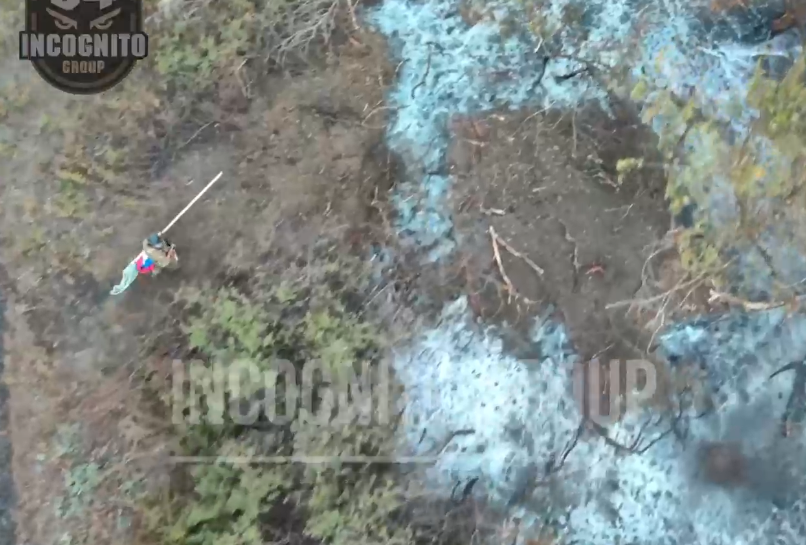
Russian kamikaze running to install the flag.
__
Russians employ a multitude of terror tactics, including the public killing of POWs (numerous drone footage proves this), the rape of women, men, and children on occupied territories and in prisons, the torture, and starvation of prisoners to the point of near death. These atrocities are now on record, and a new Nuremberg trial will be held to try Russian war criminals. One thing is certain: Russian mentality is stuck in World War II, and their atrocities and fodder tactics prove they are the same barbarians, as they have been considered throughout the history.
Written by Ivan Fedorych.