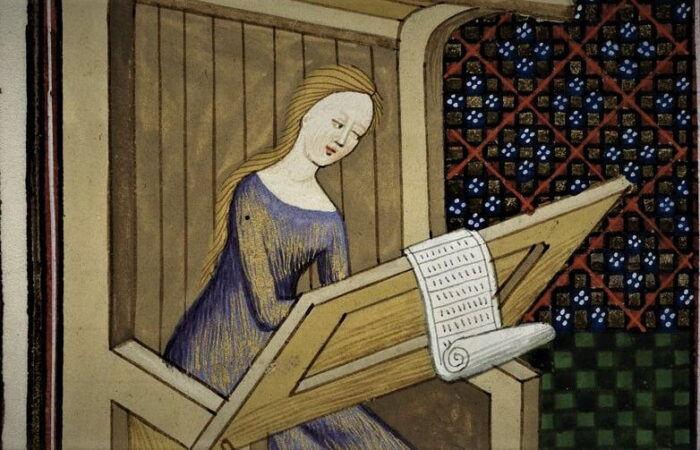
How the Church fought for women’s rights and defeated the Patriarchy.
Many feminist activists consider the Catholic Church to be a stronghold of patriarchy, which diminishes the role of women in religious life. Despite the prevalent perception, the Christian faith has achieved significant accomplishments in the struggle for women’s rights and freedom long before the suffragette movement. This article examines the Catholic Church’s efforts to improve the status of women in society and history.
There is neither Jew nor Greek, there is neither slave nor free,
there is no male and female, for you are all one in Christ Jesus.
Gal 3:28
According to Christian teaching, all people are equal before God, regardless of their sex, race, wealth, or status. Therefore, the Church valued all humans, especially those who were abandoned or disregarded from the early Roman times until today.
1. Saving baby-girls
Exposing children was considered normal in Ancient Greece and Rome. Roman epic literature and mythology included the notion of fate and the will of gods, which was part of the Roman epic literature and mythology. Romulus and Remus were abandoned to their deaths and reared by a she-wolf. Longus’s pastoral describes the lives of lovers, Dauphins and Chloe, who were abandoned as babies. Even Zeus (Jupiter) was left by Rhea in the cave and was raised by nymphs.

In his phenomenal book The Kindness of Strangers: The Abandonment of Children in Western Europe from Late Antiquity to the Renaissance. Historian John Boswell states:
The received wisdom is that two kinds of children were particularly likely to be abandoned: girls, and those born in poverty.
One authentic letter from Hillarion to Allis reveals that girls were less preferable to boys in Roman society, which was truly patriarchal and viewed women as inferior to men:
Hilarion sends many, many greetings to his sister along with my lady Berous and Apollonarion. Listen, we are still in Alexandria. Don’t worry about this—if they go home completely, I will stay in Alexandria. I am asking you and begging you to take care of the little child and when we are paid, I will send it to you right away. If you happen to be pregnant again, if it is a boy, leave it; if it is a girl, throw it out.
The main reasons for abandoning children were: not wanting to have more children, the result of incest or infidelity, or the physical disability of a baby.
The most common form of abandonment was probably exposing in a public place. An Augustan lexicographer defined the word lactaria as “columns in the public market, called the ‘nursing columns’ because people deposit nursing infants there;
John Boswell.
And what was the Christian response to this issue in Roman society? First Christians were rarely rich and noble; poverty pushed some parents to sell or abandon their infants, as it was common in the society they lived in.
If the abandoned children had survived, they would have become sexual slaves.
Therefore, Tertulian wrote in Ad Nationes:
“You [pagans], abandon your children to the kindness of strangers or to adoption by better parents.”
Justin the Martyr warns Christians in Apologia:
“We have been taught that it is wrong to expose even the newborn . . . because we have observed that nearly all such children, boys as well as girls, will be used as prostitutes.”
The story of Joseph, who was sold into slavery by his brothers, was well-known to all Christians. Exposing a child meant death or certain servitude, which is why Christians were urged to care for their children and avoid abandonment. In 374, Christian Emperor Valentinian passed the first law in Roman history that obliged parents to raise their children, and those who abandoned them would be punished. The Catholic Church pushed the notion of taking care of children even further, establishing the first orphanages in the 4th century, where countless abandoned children could be fostered to freedom, avoiding the dreadful fate of a sexual slave.

2. Saving girls from (sexual) slavery
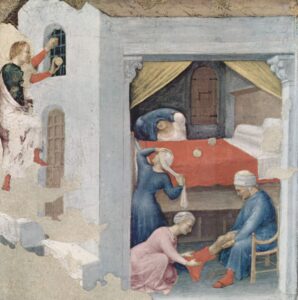
The biography of St. Nicholas, the bishop of Myra, the real-life Santa Claus, tells the tale of a poor father who couldn’t afford a dowry for his three daughters and marry them. The idea of giving them up to the brothel was on his mind. Bishop Nicolas heard of the poor man’s struggle and snuck three bags of gold into his home, saving three girls from sexual slavery. This is the origin of the tradition of giving gifts to children.
Brothels were a highly profitable business in Roman times, and slave women were kept in terrible living conditions until they became sick or old. Also, slaves working as house servants were used for their masters sexual pleasure.
Women accounted for at least half of the slave population, and they bore the brunt of sexual abuse. Without legal or social protection, they were devastatingly vulnerable. Sexual abuse was simply presumptive, and many slave girls probably experienced sexual initiation traumatically early
(Kyle Harper Slavery in the Late Roman World, AD 275-425; Cambridge University Press, 2011).
Poverty was affecting numerous families, irrespective of their religious affiliation. St. Ambrosius himself witnessed a father selling his child to pay off his debts at a public auction.
St Basil the Great griefs over the fate of poor man:
How can I bring before your eyes the suffering of the poor man? He considers his finances: he has no gold and never will. He has some clothes and the sort of possessions the poor have, all worth only a few coins. What can he do? He turns his glance at length on his children: by selling them he might put off death.
Early church fathers opposed slavery, Gregory of Nyssa was one of them:
Human beings were created specifically to have dominion over the earth; it was determined by their creator that they should exercise authority. Yet you place them under the yoke of slavery, as though you are opposing and fighting against the divine decree.
Although it took centuries to eradicate the practice of selling children into slavery, the influence of Christianity had a significant impact on society and politics in order to end this ominous custom. Valentinian II, the Christian ruler, implemented measures in 391 to rescue free children who had been sold into slavery by their parents.
All those whom the pitiful circumstances of their parents, lacking sustenance, have relegated to slavery should be restored to their original free status.
In 428 AD, Emperor Theodosius II issued a law that stipulated that slave owners and fathers could not force women to be prostitutes. In 439, the Roman Empire ceased to collect taxes from prostitution because it no longer considered a legitimate form of commerce. In 535, Justin issued a law that prohibited pimping, brothel-keeping, prostituting, or any other means of acting as a vendor of sex.
For the first time in millennia, women were freed from slavery and sexual exploitation on a state level.
III Education for Girls
Education was pivotal in early Christian Communities. Fathers of the Church, such as Origenus or Clement of Alexandria, established their own schools, similar to philosophical schools of Ancient Greece. Parents passed on their faith through homeschooling. In a letter from to Christian woman Paula st. Jerome advises her how to bring up her daughter (also named Paula):
As then Paula has been born in answer to a promise, her parents should give her a training suitable to her birth. Thus must a soul be educated which is to be a temple of God.
As you can see, the education of girls was as important as that of boys. However, not all parents were able to afford education for their offspring. Therefore, the Catholic Church established public schools, which were often run by a bishop or monastery. In these Catechitic schools, children and Catechumens (neophytes) were taught the Scriptures, prayers, and the fundamentals of the Christian faith. Archbishop Healy stated that monks “taught the children of the rich and poor alike” (“Ireland’s Ancient Schools and Scholars”, 1912). IIn the Council of Vaison (529) the priests of Gaul are commanded to take boys into their household and teach them to read “the Psalms, and the Holy Scripture and to instruct them in the Law of God.”
Starting from 4th century Catholic Church was the first institution to establish public schools for common people throughout Europe and the Mediterranean coast. In the 11th century, the Church also established the first Universities in the world, namely Bologna, Oxford, or Cambridge.
Catholic education extended to girls as well. St. Hildegard, a renowned medieval polymath and composer from Bingem, received her education in a monastery and later became a renowned nun, writer, composer, and thinker, earning the honorary title of Doctor of a Church in 2012. Other women, such as Theresa of Avila and Catherine of Siena, doctors of the Chuch of Middle ages, received great education and infllowed the life of Church and the World with their writings like “The Interior Castle” or “The Dialogue of Divine Providence.”

Although women were not permitted to become priests, they could be influential scholars, theologians, and scientists with a great reputation, which was impossible in Roman society.
IV Ownership Rights for Women.
After the fall of Bashir Assad’s regime in Syria, the new ruler Ahmed al-Sharaa sought the support of many tribes. The elderly of Syrian clans supported the new government and played a pivotal role in the stability of the new Syria. Clans still play a huge political and military role in the Middle East, and it was no different in Europe before Christianity.
The tribes were responsible for performing justice, which often meant revenging for a killed keen (the movie “Northman” is a perfect example). Furthermore, the elders of the clan controlled all property transactions, marriages, supported order and stability of the system. For example, when a woman’s husband died, the clan forced her to marry a close relative of the deceased (levirate) in order to keep the property in the clan’s control.
Christianity was spreading across Erope and gaining popularity among various tribes, including Germans, Celts, Slavs and others. The Church’s teaching defied the patriarchal clan rule and allowed women to control their property in case the husband died. In his book “The Origins of Political Order,” Francis Fukuyama acknowledged that the Church played a crucial role in the deconstruction of the clan system in Europe and the evolution of political order to a higher level.
«This shift was driven by the Catholic church, which took a strong stand against four practices: marriages between close kin, marriages to the widows of dead relatives (the so-called levirate), the adoption of children, and divorce.»
As a result, women achieved the right to freely control their property and sell it to people outside of the family. Of course women of the Roman Empire had such power, but nobody expected it among “barbarian” nations with ancient clan patriarchy. Special research at Nottingham University found numerous manuscripts dating 13-15 centuries where Women were selling and leasing their land. Of course, married women depended fully on their husbands, but windows and single women could freely buy and sell property and even conduct business affairs.
As Francis Fukuyama concluded:
«Not only did new Christian rules on marriage and inheritance disrupt tribal solidarity, they also created the notion of universal community based on common faith rather than kin loyalties»
«The introduction of Christianity into Europe produced the first major discontinuity in the evolution of law as it emerged from tribal custom. The shift in marriage and property rules to allow female ownership was not a spontaneous experiment by some local judge or community but an innovation dictated by the hierarchy of a powerful institution, the Catholic church.»
Conclusion
If you wonder why the Western world achieved such a high level of personal freedom, prosperity, and progress, the answer is the Catholic Church. When it comes to women’s rights, the Church has shifted the mindset of the whole World by respecting every individual as a child of God. Christianity fought for girls’ lives, freed them from sexual slavery, and gave them education, and ownership rights empowering women as never before. This represents a fundamental shift in human history that has shaped our world of freedom, justice, and equality.
Written by Ivan Fedorych.
320 thoughts on “How the Church fought for women’s rights and defeated the Patriarchy.”
Want to get the latest news of Pokerbaazi? Check pokerbaazitwitter.com. All the info you will get here. I personally check it to get news of upcoming poker tournaments. You can check t too for more interesting updates: pokerbaazitwitter
Hey guys, been kicking back with pkgame79 lately and honestly, not bad! Smooth gameplay and the odds seem pretty fair. Might be my new go-to spot. Check it out pkgame79.
Who doesn’t love bonuses? bonos777vip looks like a great place to find ’em! If you’re hunting for some extra perks, def head over and take a look. Get all the bonuses you could want at bonos777vip.
Logged into 888phllogin, and honestly, not bad! Quick and painless, no extra hoops to jump through. Check out 888phllogin if you trying to log in.
Yo, getting ready for the game tonight? Anyone using the app365bet app for betting? How’s the user experience? Better than the site? Download here: app365bet
https://www.pin77-ol.com I am thanksful for this post!
https://www.befg777link.com I am thanksful for this post!
taya333 https://www.taya333.org
okebet4 https://www.okebet4u.com
nustaronline https://www.umnustaronline.org
jililuck 22 https://www.jililuck-22.com
peryaplus https://www.rsperyaplus.net
ph22login https://www.ph22login.org
jl16login https://www.adjl16login.net
jiliokcc https://www.jiliokccw.com
jilivip https://www.jilivipu.net
pin77 casino https://www.pin77-ol.com
9apisologin https://www.it9apisologin.com
phtaya01 https://www.phtaya01.org
phl789 https://www.nphl789.net
99boncasino https://www.99boncasino.net
pin77 online https://www.pin77-online.com
phtaya11 https://www.phtaya11y.com
okebet168 https://www.okebet168u.org
91phcom https://www.91phcom.net
777phl casino https://www.777phl.org
phtaya06 https://www.phtaya06y.com
vipjili https://www.vipjiliji.com
fb777login https://www.fb777loginv.org
taya777login https://www.wtaya777login.com
jilibet004 https://www.jilibet004.org
98jili https://www.98jilig.com
bet777app https://www.bet777appv.org
a45com https://www.a45com.org
fb777 slot https://www.fb7777-slot.com
pagcor https://www.ngpagcor.net
ph789 login https://www.ph789-login.com
77jili https://www.77jilig.net
phtaya10 https://www.phtaya10y.com
tayabet https://www.yetayabet.net
slotphlogin https://www.exslotphlogin.net
93jili https://www.la93jili.net
jl10 casino https://www.jl10-casino.net
peso99 https://www.repeso99.net
okbet15 https://www.okbet15.org
phtaya1 https://www.phtaya1.org
phwin25 https://www.phwin25g.net
tg77com https://www.tg77com.org
pesomaxfun https://www.elpesomaxfun.com
okebet3 https://www.okebet3u.org
2jili https://www.2jili.org
gkbet https://www.gkbeth.org
mwplay88fun https://www.mwplay88fun.org
phtaya 63 https://www.phtaya-63.org
nustar online https://www.etnustar-online.com
8xx07, huh? Looks like some kind of info site. Not really my thing, but if you’re into random stuff, give it a browse. Can’t hurt, right? Maybe you’ll find something interesting. *shrugs* 8xx07
Yet another version of Bluphim? Wonder what it does. I’ll take a look. bluphim3
Played on mig88 for a while now. It’s not bad, not the best, but reliable enough. Could do with a bit of a facelift, though! Still, if you’re after a no-fuss gambling site, give it a shot. Check it out! mig88
bmw777 https://www.pokerbmw777.org
For a quick and easy way to get started with online gaming, check out 92supergame. Really enjoying the time there! Learn more at: 92supergame
Yo, heard from a buddy about yaywingame. He says they’ve got some sweet deals on mobile games. Gonna give it a looksee tonight. Anyone else tried it out? Let me know what’s good! Hit up yaywingame for yourself!
Hey all slots fanatics, I am on rumislots! It looks like a great way to spend an afternoon. I’ll keep you updated on the experience. You should try rumislots too!
If you’re looking for some good slot action, 177slot is where it’s at for me. Pretty awesome selection of the new machines! Take a swing: 177slot
Trying to hit that jackpot with rich999! The site is slick and it’s easy to find your way around. Worth checking out: rich999
Alright, so I stumbled upon mcwcasinobj388 and had a good time. Some cool slots and the live casino wasn’t bad either. Give it a shot if you’re feeling lucky! Link here: mcwcasinobj388
JLLJPH Online Casino Philippines: Login & Register to Play JLLJPH Slot Games. Download the JLLJPH App for the Ultimate Casino Experience. Experience the best of JLLJPH Online Casino Philippines! Use your jlljph login or complete a quick jlljph register to play premium jlljph slot games. Get the jlljph app download for the ultimate mobile gaming experience. Join the #1 jlljph online casino and start winning today! visit: jlljph
bet88 casino|bet88 slots|bet88 download|bet88 giris|bet88 login Experience the best of bet88 casino in the Philippines! Enjoy premium bet88 slots, fast bet88 login (giris), and a seamless mobile experience with the bet88 download. Join now for big wins at the premier PH gaming destination! visit: bet88
Heard some buzz about Dwin68, anyone tried it out yet? Looking for a new spot to spin the reels and hoping this one is legit. Keen to hear any player experience before I jump in! dwin68
Alright, spill the beans! Is this aviatorpredictor1win any good? Seems a little too good to be true, you know? Anyone actually scoring wins with this thing? I’m skeptical but curious! See what it’s about here: aviatorpredictor1win
Sportybet AND Aviator? Sounds like a match made in heaven…or maybe a wallet-emptying nightmare! Haha. Anybody tried aviatorsportybet yet? Is it worth the hype? Hit me with your experiences! Go check it out: aviatorsportybet
[9247]Phswerte Online Casino Philippines: Quick Login, Easy Register, Top Slots, and App Download for the Ultimate Gaming Experience. Experience Phswerte Online Casino Philippines! Enjoy quick phswerte login, easy phswerte register, and top phswerte slots. Get the phswerte app download for the ultimate gaming experience today. visit: phswerte
Hey everyone! Gave 777yono a shot and I’m pleasantly surprised. A good selection of games and smooth gameplay. Could be my new go-to place! See for yourself here 777yono!
Alright alright alright. Decided to give goldsbat a shot. Easy navigation and a decent selection of stuff. Worth a look for sure! Check it out here goldsbat!
Just wanted to give a shoutout to gratowinlogin. Signing up was a breeze, and they have some awesome scratch card games that are super addictive. Definitely worth a look if you’re into instant wins! Find it here: gratowinlogin
Gotta stack up those Arena Plus reward points! Been grinding on Arena Plus tryna get a leg up, keep grinding, it’s worth it, I swear. arena plus reward points
Alright, gonna check out lotte 92 today. Heard some good things. Wish me luck. Check out the best lotteries online lotte 92
4rabet Bangladesh, you know it! Best platform for us Bangladeshis out there. Good odds and easy to use. Check it out: 4rabet bangladesh and let me know what you think!
I give 49jiliph a strong recommendation. A few game features are pretty basic but the rewards for being there are worth it so you can earn points even while you’re idle 49jiliph.
Hey, just wanted to say I’ve been checking out betanp and it’s looking pretty good so far! Definitely worth a peek. You can find it here: betanp
Heard you guys were looking for bingo plus download. Grab it from their main page, super easy! Get your bingo fix: bingo plus download
Oleybetlogin, huh? Betting time! Hope they’ve made logging in easy, I don’t have time for any complicated passwords when there’s money to be won. Time for a quick spin: oleybetlogin
Boss88casino? Sounds like a place for high-rollers! I’m feeling lucky tonight. Time to test my skills and see if I can become the boss of the casino. Wish me luck! Here’s where the action is: boss88casino
Casinomcw1188, alright! Another casino to check out. Wonder if they have my favourite slots. Fingers crossed for some big wins! Ready to roll the dice? Check it out: casinomcw1188
Fascinating historical perspective on women’s rights! The early Church’s role in saving abandoned baby girls truly revolutionized women’s status. As someone working in luckystarz‘s responsible gaming framework, I see similar parallels in how modern platforms must protect vulnerable demographics while ensuring equal access and fair treatment for all users.
77ggbet lookin’ good! Gonna drop some coin and see what happens. Give it a shot yourself at 77ggbet.
Pakgamelogin, comin’ through! Hope the games are fire! Check it out and let me know what you think at pakgamelogin.
Heard some good buzz about sinagphcom. Gonna check it out and see what all the hype is about. See what all the fuzz is about at sinagphcom.
Fruit88 is fun and fast paced. I love the bright colors and the simple gameplay. Perfect for a quick win! Try your luck at fruit88.
Win11login gets me signed up so quickly! Its super reliable and hassle free, no more forgotten passwords! Make it simple with win11login.
Win999slot? Yeah, they have a TON of slots. I could spend hours on there! Different themes and tons of variety. Get your slot fix at win999slot.
Yo, 2uuu looks interesting. The website is clean and the games seem pretty varied. I’m gonna see what it’s all about. Give 2uuu a peek at 2uuu!
Heard about brbrbrwin and decided to check it out. The platform seems solid. Let’s see if I can score some wins. Head over to brbrbrwin!
Checking out bet19login. Seems like a straightforward platform. Hoping I can actually log in easily! Let’s see what they’ve got going on at bet19login!
Comment: This historical perspective beautifully highlights how equality movements evolve over time. Just as the Church championed human dignity regardless of status, modern platforms like earn php apk now prioritize inclusive, fair entertainment accessible to everyone regardless of background. Truly inspiring progress!
https://shorturl.fm/7p5BN
https://shorturl.fm/cx36C
This historical perspective on systemic change is fascinating. Whether discussing social equality or technological adoption, progress requires dismantling deeply ingrained structures. It highlights that achieving universal inclusion-a true “level playing field”-is a continuous, complex process, much like optimizing a premium experience for every user, such as accessing million88 vip services.
Appreciate this write-up on How the Church fought for women’s rights and defeated the Patriarchy.. Your explanation around church is concise, and the discussion of fought adds strong context. Also useful: Lyon public transport guide Lab Works
Helpful article on How the Church fought for women’s rights and defeated the Patriarchy.. The examples and structure make it simple to scan. Also useful: toon tone cartoon color game
I was struck by how the early churchactively opposed child abandonment and protected girls from slavery, citing concrete laws and stories like the rescue of the three virgins.the freak circus
This article is insightful, clear, and genuinely helpful. Keep sharing updates. toon toon game
A very clear article with useful information throughout. Keep sharing updates. idk what my favoire pokemon are
I was struck by the factthat Emperor Valentinian’s 374 law was the first Roman law obligating parents to raise their children, a rule that the early Church later expanded by establishing the first orphanages.GPT Imagine
I wassurprised to learn that the Church in the fourth century already mandated protection for abandoned children and founded the first orphanages.the freak circus
It’s strikinghow the article shows the Church’s early role in establishing orphanages in the 4th century to rescue abandoned girls from a fate of sexual slavery.PDFtoMD
Reading about how early Christians like Tertullian urged people not to expose infants made me realize how radically the faith challenged the norms of its time.cobb can move
Brat Generator allows you to generate viral minimalist green cover images.
Concrete Calculator helps contractors and DIY builders reduce waste and plan projects with precise material estimates.
HEIC to JPG offers a simple, fast, and free way to convert your HEIC files to high-quality JPG images online.
square face generator lets you create cute pixel art avatars for free — no login required, instant 256×256 PNG download for Discord, Twitter, and TikTok
Restore Old Photos helps families, historians, and photographers preserve memories by bringing old pictures back to life.
With Restore Old Photos, you can easily repair damaged, faded, or torn photographs and preserve them for future generations
Ai Photo Enhancer helps you improve photo quality online with one click.
AI Image Editor is a powerful AI image editor for restoring and enhancing images.
Image to Image AI provides a simple drag-and-drop interface that lets anyone generate high-resolution, AI-enhanced images in seconds.
The article highlights how systemic change drives human rights. This concept-the removal of structural barriers to ensure universal access-is critical in every domain, from theology to modern digital platforms. True progress, whether social or technological, requires designing systems that are inherently inclusive, much like ensuring seamless access via ph799 ph slot download.
The middle section finally explained the step everyone else skips. I wrote a companion note at Bomb Banana.
Great info! The SAND Raiders of Sophie extract guide offers complete guides on builds, servers, and extraction strategies.
I was wondering when the fruits would reset but this tool is a lifesaver. Love the live stock blox fruits tracker.
Checking the patterns in the stock history really helped me predict when my favorite fruit would drop. blox fruit stock history
This is exactly what the community needed. Fast and accurate live updates for the fruits. live stock blox fruits
https://www.logboardfeetcalculator.com
This website helps users calculate board feet for logs and lumber with an easy online tool. It is especially useful for woodworking, construction, forestry, and material estimation. The calculator supports fast planning and more accurate wood volume calculations.
https://www.logboardfeetcalculator.com
This website helps users calculate board feet for logs and lumber with an easy online tool. It is especially useful for woodworking, construction, forestry, and material estimation. The calculator supports fast planning and more accurate wood volume calculations.
https://www.texttocsv.com
This website converts plain text into CSV format for faster data handling and organization. It is useful for spreadsheet work, structured data cleaning, and simple automation tasks. The tool is practical for users who work with tables, lists, and imported text data.
https://www.logboardfeetcalculator.com
This website helps users calculate board feet for logs and lumber with an easy online tool. It is especially useful for woodworking, construction, forestry, and material estimation. The calculator supports fast planning and more accurate wood volume calculations.
huh, the bit about exposing baby girls — that’s something I’d heard about but never really connected to church history. one thing I stumbled on recently was how early Christian communities actually took in foundlings, which seems pretty radical for the time. Do you know if there are surviving records of how many infants were rescued that way, or is it more of a theological argument than a documented practice?
https://www.logboardfeetcalculator.com
This website helps users calculate board feet for logs and lumber with an easy online tool. It is especially useful for woodworking, construction, forestry, and material estimation. The calculator supports fast planning and more accurate wood volume calculations.
https://www.logboardfeetcalculator.com
This website helps users calculate board feet for logs and lumber with an easy online tool. It is especially useful for woodworking, construction, forestry, and material estimation. The calculator supports fast planning and more accurate wood volume calculations.
the thing about exposure of baby girls always gets me — it’s such a brutal practice that gets romanticized in myths. one stat I came across claimed something like 10% of Roman families actually raised all their daughters. not 100% sure on the number but it stuck with me.
https://www.logboardfeetcalculator.com
This website helps users calculate board feet for logs and lumber with an easy online tool. It is especially useful for woodworking, construction, forestry, and material estimation. The calculator supports fast planning and more accurate wood volume calculations.
The struggle for equality, whether in ancient societies or modern systems, fundamentally relies on dismantling structural barriers. This historical lesson-that true progress demands equitable access-is mirrored in the need for secure, inclusive digital platforms, such as wj2ph game. It’s a powerful reminder that foundational fairness is key to any thriving community.
https://www.kalkulator-sportu.pl
Ten serwis oferuje kalkulatory związane ze sportem, treningiem i aktywnością fizyczną. Może pomóc użytkownikom lepiej planować wysiłek, monitorować postępy i analizować podstawowe dane treningowe. Strona nadaje się do promocji w niszy fitness i sport.
Patient tone — not talking down. More on same topic: Mojave Valley.
https://www.kalkulator-pracy.pl
Serwis pomaga w obliczaniu godzin pracy, czasu zatrudnienia lub innych danych związanych z pracą. Jest przydatny dla pracowników, freelancerów oraz osób zarządzających harmonogramem. To praktyczne narzędzie dla segmentu pracy i organizacji czasu.
No triple-repetition of the same idea. Single cheat sheet: Fortnite Sprite Checklist.
Ivan, this is a fascinating perspective! It challenges common perceptions about the Church’s historical role and highlights some truly impactful contributions to women’s rights, particularly the early efforts to save infant girls. It’s refreshing to see a deeper dive into this often-misunderstood topic. I’m eager to read the rest of the analysis to understand how these historical actions compare with modern discussions about the BA II Plus Financial Calculator if applied to social progress. Such a thought-provoking read!
This is a fascinating and much-needed perspective! It’s easy to overlook the historical impact of institutions, especially when modern perceptions are so strong. I appreciate the deep dive into how the Church, through its core teachings like Gal 3:28 and practices like saving infant girls, genuinely championed women’s rights long before secular movements. I’m looking forward to reading the rest of this insightful analysis on Block Poster.
Would work well as a handout for someone who prefers reading over video. Related notes: Drain the Lake Wiki. I would recommend this after a failed first attempt.
This is a fascinating and much-needed perspective! It’s easy to get caught up in modern critiques, but seeing the historical context of the Church’s influence on women’s rights, particularly in areas like saving baby-girls, really sheds new light on things. Thanks for sharing such a well-researched article. I appreciate how you tackled a complex topic with nuance, reminding us that history is rarely black and white. It makes me think about how much we sometimes overlook the less obvious impacts of cultural institutions, much like how a precise tool can pick out fine details from a larger image. Speaking of precision, a tool like an AI Image to Line Converter can often reveal unexpected structures within complex visuals.
This is a fascinating and much-needed perspective! It’s easy for modern discussions to overlook the historical impact of institutions, and this article beautifully highlights the often-unacknowledged contributions of the Church to women’s rights, particularly with examples like saving baby girls. I appreciate how it challenges common perceptions and offers a deeper historical context. It reminds us that progress isn’t linear and comes from unexpected places. Finding these nuances is key to a complete understanding, much like precise measurements are key to understanding space. Speaking of which, sometimes I need to quickly calculate areas, and for that, I often turn to a reliable Square Feet Calculator to get my numbers right.
Interesting perspective. I hadn’t considered how early Christian teachings on equality, like the line from Galatians about no male and female in Christ, challenged Roman practices such as the abandonment of girls. That letter from Hillarion to Allis really shows the harsh patriarchal norms the Church confronted.
https://www.asphaltcalculatorprice.com
This website provides a practical asphalt calculator for estimating volume, weight, and cost for paving projects. It is useful for driveways, roads, parking lots, and other construction jobs where accurate asphalt planning matters. Users can quickly calculate material needs and better control project budgets.
Doc draft: https://moonlight-peaks-wiki.wiki/. This reads like notes from someone who solved the problem recently and remembers the friction.
My side notes: 100 Days at Sea best seeds. This answered something forums only debated in circles.
Edge-case file: best dinosaur dino hunters. I appreciate posts that admit where something might break instead of overselling the result.
https://www.myheroacademiaquirkgenerator.com
This website is a fun generator for creating My Hero Academia-style quirk ideas and character concepts. It is suitable for anime fans, roleplay communities, and creative entertainment traffic. The site can be promoted as a playful and fandom-based tool.
https://www.online5numbersummarycalculator.com
This website provides a statistics tool for calculating the five-number summary quickly and clearly. It is useful for students, educators, and anyone working with data analysis or classroom statistics. The tool helps simplify descriptive statistics in an easy online format.
Reference hub: clean the library roblox wiki. You connect ideas that are usually split across two separate blog posts.
Thanks for sharing! For photo editing, try Free HDR Photo Enhancer – it’s free and powerful.
Great post! I really enjoyed reading it. By the way, if you like fun browser games, you should check out head-football – amazing head-to-head soccer action online.
https://www.roof-pitchcalculator.com
It is refreshing to find a site that is both simple and genuinely useful. The structure makes it easy to focus on the result instead of figuring out the site.
https://www.asphaltcalculatorprice.com
Good layout, easy navigation, and a clear purpose. It saves time and gives you the kind of result you can actually use right away.
I agree that the Church’s role in advancing women’s rights is often overlooked. For instance, early Christian communities provided women with leadership roles, such as deaconesses. If you’re interested in exploring themes of inheritance and unsettling choices, try playing this chilling visual novel.
https://www.firetextgenerator.com
It is refreshing to find a site that is both simple and genuinely useful. The structure makes it easy to focus on the result instead of figuring out the site.
https://www.forgecalcs.com
It is refreshing to find a site that is both simple and genuinely useful. The structure makes it easy to focus on the result instead of figuring out the site.
The point about Christian institutions improving women’s status long before the suffragette movement is interesting, especially because it complicates the usual “Church versus women” framing. For readers thinking about gender roles and identity today, Kavel’s AI Gender Swap AI Gender Swap is a relevant modern contrast to that historical discussion.
The point about Christian institutions supporting women’s dignity well before the suffragette movement is a useful corrective to the usual “Church equals patriarchy” framing. It also made me think about how people imagine gender and identity today; Veol’s gender-swap page, 性別変換 で、異性版の自分に会ってみる, is an interesting modern contrast.
The point about Christian efforts to improve women’s status long before the suffragette movement is worth discussing, especially given the common assumption that Catholic history is only patriarchal. For readers trying to visualize these historical settings or figures, Kling4’s AI Image Generator AI Image Generator could be a useful companion resource.
I understood the core idea in one read and still found details worth a second look. Jargon-free Roll Anime to Fight redeem codes.
Follow-up page: Cookie Run Classic. I copied two sentences into my notes because you phrased them better than I would have.
Seeing the focus on simple steps is smart. For serious bettors, mastering the platform’s core mechanics is key. Check out 32 win app download for a solid feel for the user flow.
The conclusion does not introduce random new ideas, which sounds basic but is oddly uncommon. Example bank: Haze Seas Wiki.
Clear writing on a topic that easily turns into a wall of acronyms elsewhere. Extended write-up: Urban Strife walkthrough.
FAQ page: bring back the sun lava temple. Helpful post — I especially liked the practical framing.
This was a helpful read. The way you explained “How the Church fought for women's rights and defeated the Patriarchy. – NGO 7000” made the main point much clearer.
The section on education for girls is especially interesting — do you think the article could distinguish more clearly between what the Church formally taught and what was actually achieved in different periods and regions? That would make the argument even stronger.
OmniaKey
https://sites.google.com/view/kalkulatordniobliczliczbzn/
To dobra strona, je?li chcesz co? zrobi? szybko i bez utraty przejrzysto?ci. Podoba mi si?, ?e podstawy s? dobrze wyja?nione, a ca?y proces jest prosty.
https://sites.google.com/view/kalkulator-pizzy-ile-pizz-zamw/
Uwa?am, ?e ta strona jest naprawd? pomocna, bo wszystko pozostaje proste i praktyczne. Informacje s? ?atwe do zrozumienia, a ca?o?? wygl?da jak narz?dzie do codziennego u?ytku.
Decision tree: Ore Factory Squad beginner guide. I printed the middle section for later.
Curated list: bring back the sun ruins code. Good post for sharing with someone who keeps asking the same beginner questions.
The opening paragraph set a clear expectation and the rest actually followed through. Live experiment log: dragonsword awakening guide wiki.
The article’s point about the Church’s role in opposing the abandonment of baby girls is eye-opening, especially the contrast with the Roman practice. It’s fascinating how early Christian values challenged such deep-seated norms. By the way, if you’re interested in exploring creative tools, you might enjoy this free gesture synth that lets you make music with hand movements.
https://sites.google.com/view/przelicznikforemekpl/
Uwa?am, ?e ta strona jest naprawd? pomocna, bo wszystko pozostaje proste i praktyczne. Informacje s? ?atwe do zrozumienia, a ca?o?? wygl?da jak narz?dzie do codziennego u?ytku.
https://sites.google.com/view/kalkulatordniobliczliczbzn/
To dobra strona, je?li chcesz co? zrobi? szybko i bez utraty przejrzysto?ci. Podoba mi si?, ?e podstawy s? dobrze wyja?nione, a ca?y proces jest prosty.
https://sites.google.com/view/bhmaatberekenenonline/
Wat ik het prettigst vind, is dat een gewone taak hier veel eenvoudiger wordt. De interface is schoon en de hele ervaring loopt soepel.
https://sites.google.com/view/oponopon/
Uwa?am, ?e ta strona jest naprawd? pomocna, bo wszystko pozostaje proste i praktyczne. Informacje s? ?atwe do zrozumienia, a ca?o?? wygl?da jak narz?dzie do codziennego u?ytku.
Really enjoyed reading this detailed guide about How the Church fought for women’s rights and defeated the Patriarchy.! The insights and perspectives shared here are super practical. For anyone exploring creative photo tools and AI styling, AI Clothes Changer is also a fantastic resource worth checking out.
Thanks! If you have a cat, this free cat calculator is worth trying – it helps you understand your cat’s life stage better.
Just discovered this amazing platform and I am honestly so impressed with the mobile experience. The games load super fast on my phone and the welcome bonus gave me plenty of extra spins to try out the new slots. Customer support is also very responsive when I needed help with my first deposit. Highly recommend checking out the mobile app for a stress free gaming session anytime. muybetcasino
I was searching for a platform that handles local currency properly and this one delivers exactly that. Deposits go through in minutes and cashing out is just as fast. The mobile version works perfectly on my phone without any lag. You can explore everything at br363bet and see the difference yourself.
Just discovered this spot and I am really impressed by the smooth navigation and fast payouts. The interface feels super polished and the support team actually responds in minutes. Highly recommend checking it out if you want a top notch experience. royal8888logo
I’ve been trying a few sites lately and this one is actually smooth. The payouts are fast and the interface is easy to navigate. Definitely check out phwin25ph if you want a hassle-free experience.
Really impressed with the payout speed here. It is hard to find a platform that actually pays out fast these days. Glad I found brpk44.
The bonuses here are actually legit and easy to claim. I’ve had some great wins this week alone. Definitely visit paldopanalomaya
The registration process was super quick and I was playing within minutes. No hassle at all, which is exactly what I need. Great job by betpk44loginregister.
Everything about this site is professional and user friendly. The games are fair and the rewards are real. Check out jilibet178casinologin
Best experience I have had in a while. The payouts are fair and the customer support is actually helpful. Highly recommended for anyone in PH looking for a reliable site. Visit 85phcom
Nice write-up, I learned something here. One tool that complements this is a free image optimizer: a free image optimizer Anyway, thanks again for the content!
The roadmap for upcoming features was fascinating. ai ghost mannequin has interesting ai ghost mannequin takes too.
Honestly the best experience I have had with a slot site recently. The payouts are fair and the interface is super smooth. Definitely check out jili988casinologin if you want a reliable place to play.
Good write-up, bookmarked for later. Been meaning to mention — Big Ambitions 1.0 dropped recently and changed the starting-business math quite a bit, so I’ve been re-testing which businesses are actually worth opening first now.
The platform’s breadth is clear, but remember that solid strategy beats hype. For deeper insights on betting dynamics, check out 49bet লগইন. Smart analysis is key!
This is exactly the kind of practical detail that’s usually missing elsewhere. Funny enough I ran into almost the same issue while putting together notes for big ambitions, and the fix ended up being similar to what you described.
Roulette’s allure is fascinating – that blend of chance & strategy! Seeing platforms like jililive link focus on streamlined access & security is smart; quick registration & reliable play are key for enjoying any casino game. 👍
Finally found a place where the bonuses actually work! Had a great run last night and the withdrawal was quick. jilidaycasino is the way to go.
Playing at this spot has been such a relaxing escape after work. The game library is massive and the withdrawal process is surprisingly smooth. I love how the interface runs perfectly on my phone without any lag. Thank you for keeping things fair and entertaining. aufreepokies
Simple, clean, and very effective. I prefer a site that doesn’t overcomplicate things. idtania77 provides exactly that.
The interface is very user-friendly and the payouts are legit. I’ve been playing here for a week and I’m loving the vibe at phbw29.
Seriously? This meeting drags. Anyway, reading about game variety reminds me of checking out www cwin com 444 app download apk; seems pretty comprehensive, unlike this PowerPoint!
Solid choice for PH players needing secure deposits via GCash or PayMaya. Check out Lucky Play Casino download apk for instant payouts and great slot rewards today.
Such a fun vibe and the games are incredibly addictive. I had a huge win yesterday and the withdrawal was processed in minutes. 777zcgame is legit.
Analyzing fund flow through platform mechanics is key. The seamless nature described for nustar apk game suggests robust risk controls are in place; efficiency matters most.
The focus on leather quality here is great since durability matters most. If you’re inspecting new bags under bright store lights, remember that screens need the same scrutiny—a quick dead pixels black screen test helps spot dead pixels before you buy a replacement device. Thorough checks keep both purchases worth it.
Honestly, the ease of use they describe sounds pretty comprehensive, but I’m still cautious. Still, this overview helped! For more tips, check bet345 com. 😊
The app version is way more convenient than the browser. Everything is just a tap away and the graphics are top notch. jili368app
The section on abandoned baby girls in Roman society, especially the Hilarion letter, makes the historical stakes vivid. A visual timeline or short documentary built with Reference2Video could help present these sources and the Church’s changing response in a clear, accessible way.
The variety of games is amazing. I spent the whole evening exploring different slots and won a decent amount. Great job ph178jili
Different subject, but leaving this here — upgrade priority list for that skip-based platformer: https://scarletskips.wiki/upgrades
This place has everything you need in one spot. The registration was a breeze and I was playing within seconds. bdnog88 is the way to go!
Finally found a place where the bonuses actually work! Had a great run last night and the withdrawal was quick. jilidaycasino is the way to go.
Glad I found the updated link. The games are exciting and the bonuses are actually fair. Keep it up x777newlink!
Finally found a place where the login doesn’t glitch. Everything is streamlined and the gaming experience is just seamless. 123jili123comlogin
Super intuitive app and the market trends are updated in real time. It makes predicting events so much more engaging. Love using polymarketapp.
Unrelated to this post, but sharing anyway — a rundown comparing AI SEO tools that was more grounded than most of the affiliate roundups: https://www.openaitoolshub.org/en/blog/ai-seo-tools-comparison
brothers-locksmith makes locksmith problems easier to resolve with professional service. Our experienced technicians provide reliable solutions for locks, keys, access issues, repairs, replacements, and property security needs.
Joined this club last week and the experience has been great. The winning rate seems better than other sites. Love krktwin8club!
The variety of games here is insane. I spent all weekend exploring and I am still finding new stuff to play. Highly suggest visiting bdnagad88n for some real action.
Best betting odds I have seen in a long time. It is easy to navigate and the live updates are spot on. I totally trust br55llbet with my plays.
Solid content. Rhyme Game helped me beat writer’s block with its rhyming challenges.
The download process was straightforward and the installation took no time at all. The game runs perfectly on my device. Get your 9777cxgamedownload now.
I’m really enjoying the daily rewards and the community atmosphere. It’s a great place to relax and win some cash. Visit krkorwin88 and see for yourself.
This article offers a really interesting perspective on the Church’s historical role in advancing women’s rights, challenging the common narrative that it was purely a patriarchal institution. It’s worth reading if you’re into nuanced takes on history and religion. If you enjoy digging into related topics, you might also find some interesting content over at bomb farm.
The registration process was a breeze and I was able to start playing in under two minutes. Everything feels very professional here at jilibet88loginregister
I hit a decent jackpot here last week and the withdrawal was processed in no time. Very trustworthy site. Head over to pgwin233online
Loved this post! Btw, File Convert Factory is a lifesaver for converting PDFs and images, worth bookmarking.
I enjoyed your insights on athletic clothing and performance. Comfort and flexibility matter, but singers also need to monitor their progress. I recently used a Vocal range test to check my pitch before recording. It was quick and helpful for tracking improvement. Have you written about vocal performance gear too?
Really helpful! The free HDR photo enhancer salvaged my underexposed pictures, impressive AI results.
Off-topic, but this retro 80s photo prompt tool got a better reaction on socials than I expected: https://casttake.com/1980s-ai-photo-prompt
The Hilarion letter is a striking piece of evidence—’if it is a boy, leave it; if it is a girl, throw it out’ makes the patriarchal reality of Roman society vivid in a way statistics can’t. It’s interesting how the article links Christian objections to exposure directly to the risk of those children becoming prostitutes, which reframes the early orphanages as a practical rescue effort, not just charity.
This sounds super useful for keeping boredom away! I noticed how easy you said navigating the different game types is; that’s key when time is tight. For quick fun later, check out 3u3u ivana alawi mobile.
Solid content. Had fun with the cat calculator, comparing my two cats’ ages.
Unrelated to this post, but sharing anyway — this free image-to-3D-model tool got me further than I expected: https://sculptly3d.com/image-to-3d-model-free
Outline I built: Sprite Sheet Maker. The plain language in the technical section stood out.
Why-first summary: Sprite Sheet Maker. Not hype, just usable information.
You explain failure modes, which is rarer and more valuable than pure success stories. More on same topic: Online Sprite Sheet Maker.
Nice balance between overview for newcomers and a few pointers veterans still appreciate. Companion page — Online Sprite Sheet Maker.
Single cheat sheet: Free Online Sprite Sheet Maker. The intro did not waste time and the steps were in a sensible order.
Sprite Sheet Maker Online | spritesheetmaker.app has a companion note. Felt like a
The voice is calm and confident without being preachy. Between the checklist and the examples I saved a Free Sprite Sheet Generator.
Related reading: Sprite Sheet Creator | PNG + Atlas. This reads like notes from someone who solved the problem recently and
Detail index: Sprite Sheet Packer. Not sure I agree with every point, but the reasoning is laid out well enough to think about.
Nice work making a technical explanation feel approachable without dumbing it down. Follow-up page: Online Sprite Sheet Maker.
For extra links: Sprite Atlas Maker. Good post to share when someone asks the same
Follow-up material: Sprite Atlas Maker. The title sounded generic; the content was sharper than expected.
Worksheet: Sprite Atlas Maker. I liked seeing both what worked and what did not in your example walkthrough.
Really impressed with the fast registration process. I was playing within two minutes of signing up. Big thumbs up for phwinph22.
Clean design and very easy to navigate. I didn’t have to struggle at all to find my favorite games. Great job by vnopen8.
Thanks for sharing! I recently started playing Rule34dle, a daily guessing game that is surprisingly addictive.
Really impressed with the performance here. Everything loads quickly and the navigation is intuitive. If you are searching for a stable platform, br22ff is the way to go.
Great variety of games and the loading speed is impressive. It feels very secure and professional. I am sticking with vnzo88 from now on.
This is exactly what I was looking for. The gameplay is intuitive and the rewards are fair. I’ll be spending a lot more of my free time on pkj555game.
I finally found a working link for the app. The login process is super smooth and the games load quickly. Definitely worth a try for anyone looking for a stable platform. Check out jljl33applogin
Finally found a version that doesn’t lag. The installation was a breeze and the gameplay is top-notch. For anyone looking for a solid app, bet939gamedownload is the way to go.
Creative blocks often come from too much passive input, so quick interactive breaks can reset focus. If you want to sharpen reactions while switching tasks, you can Play okiaimx online to practice peek timing and crosshair control in short browser sessions.
Jiiliasia, ready for an Asian-themed adventure! Hope the gameplay is smooth and the payouts are sweet. Let’s see what’s in store. Give it a whirl here jiiliasia
Super impressed with the security features here. I feel safe depositing my funds and the games are incredibly addictive. tg77722login is the way to go.
The game variety here is amazing. I love how easy it is to navigate the site. Definitely give phjili333com a go.
Interesting read! Seeing more platforms like this embrace mobile-first design is smart. Secure access & quick funding (like with GCash) are key. Check out the 365bet app apk for a streamlined experience – convenience matters! Hoping for responsible gaming too, of course.
The vibe here is just like being at a real casino in Manila. Everything is top notch and the game selection is massive. Always a pleasure visiting okadamanilacasino.
The historical examples make it an interesting read, especially when paired with the artwork and archival images. By visually edited materials, it helps make a long discussion like this easier to follow.
Great historical perspective—reminds us how deeply ethics and compassion shape progress. Speaking of transformative tools for today’s creative and humanitarian work, I’ve found ImgLoop.ai incredibly helpful: a free, no-signup AI photo editor that restores old images, changes backgrounds, or generates interior designs—all while keeping uploads private and local. Perfect for documenting heritage, preserving historical visuals, or visualizing community stories. Try it with your first two lifetime credits:
https://imgloop.ai
Great roundup for anyone comparing torque, range, and deck flex before buying. I ride with a group, and after every session we swap photos, so lately I’ve used A Sticker Maker to turn ride shots into sticker sheets for helmets and decks. Anyone else customize their board with personal graphics?
Fascinating historical perspective—especially how early Christian ethics directly challenged systemic gender injustice. It’s refreshing to see nuanced analysis of faith and feminism beyond modern stereotypes. By the way, if you’re into innovative ways music intersects with human expression (like gesture-based composition in the browser), check out GestureSynth.me—
a free, privacy-first tool that turns hand movements into real-time sound. No install, no account, all processing local. Great for educators, composers, or anyone curious about embodied interaction and Web Audio.
Fascinating historical perspective—especially the deep dive into how early Christians actively opposed infant exposure, a brutal norm that disproportionately targeted girls. The Church’s moral stance and concrete actions (like Valentinian’s 374 CE law) predate modern feminism by centuries. This rigorously sourced analysis challenges lazy assumptions about faith and gender. For anyone interested in the roots of human dignity, justice, and women’s agency in Western history, it’s essential reading:
How the Church fought for women’s rights and defeated the Patriarchy
Finally found a place where the bonuses actually make sense. The registration process was a breeze and I was playing in minutes. vn888now
The focus on accessibility is key; understanding player flow is vital. For deeper insights into gaming mechanics, check out oklaro online casino. It’s about the feeling of possibility.
Fast, secure, and straightforward. That is exactly what I was looking for in a platform. No unnecessary fluff, just a great service. jd88login
77betallgame has it all! Super fun and easy to use. Try your luck today! Good vibes only! 77betallgame
This was a helpful read. The way you explained “How the Church fought for women's rights and defeated the Patriarchy. – NGO 7000” made the main point much clearer.
WoW Forever Talent
Dengue care is so dependent on clear patient education and consistent follow-up. For clinics producing helpful video guides, maintaining that consistency across every update can be tough. Tools that streamline faceless reels let teams repurpose guidelines quickly without camera time, keeping the focus on accurate, timely messaging for patients.
Great experience so far. The rewards system is fair and the community seems really active. Definitely my new favorite spot. Explore wingdas6.
Really insightful article! Seeing platforms like playtime vip focus on data & RTP is a game-changer for players. Transparency builds trust, and that’s huge in online casinos. It’s great to see options like the Playtime App too!
All that damson jam sounds lovely, but if you ever need a quick break from the preserving pan, you could Guess the jeffgoldblumle wordle while the pots cool. It’s a fun 12-letter distraction, and the answer is usually him—no stone fruit required. Just a little brain teaser between batches.
Tangent, but for printer owners who want to turn a photo into an STL file: this one runs from a single image and also exports GLB and OBJ, with the first model free.
Slightly off topic, but useful for anyone interested in facial metrics: check this hunter eyes test. Upload a photo to measure canthal tilt and upper-eyelid exposure, and see where your eyes sit on the hunter–prey scale (runs locally in your browser).
Not connected to the post, but sharing this stl repair tool for fixing mesh defects before sending files to print.
Really impressed with the variety of games available here. It is super easy to navigate and the interface feels very smooth on mobile. Highly recommend vn778win to everyone.
The login process is seamless and the app installation was straightforward. Great experience so far with the interface. cz777gamelogindownload
Great atmosphere and very friendly community. It is the perfect spot to unwind and try your luck. I always choose phxz777.
Off topic, but sharing: turn html into link instantly to preview responsive pages on mobile.
I’ve been playing on this app for a few weeks now and the interface is super smooth. The payouts are surprisingly fast too. Highly recommend j8jiliapp for anyone looking for a reliable spot.
Honestly the best experience I’ve had recently. The games load fast and the payouts are legit. Definitely check out ph65jili if you want some real action!
This was a helpful read. The way you explained “How the Church fought for women's rights and defeated the Patriarchy. – NGO 7000” made the main point much clearer.
Browse diyhomerenovation.com
Perfect for sports fans! The live updates are spot on and the betting options are huge. vn789cup is where it’s at.
This piece offers a refreshingly different angle on the Catholic Church’s historical role, arguing that it actively protected women’s rights through measures like opposing infant abandonment and securing property rights for widows. I found the references to early Church fathers and the later legal changes quite convincing, even if the title overstates the ‘defeat’ of patriarchy. It’s a solid introduction for anyone interested in the social impact of Christianity. For those who enjoy exploring cultural topics in a more playful way, the soflo wheelie life at soflo wheelie life might be a fun diversion.
This article makes a strong case that the Church’s early social interventions—like opposing infant exposure and funding orphanages—were genuinely ahead of their time. I especially appreciated the use of primary sources, such as the Hilarion letter and Tertullian’s writings, to show how Christian practice differed from surrounding Roman customs. The sections on education and property rights also add nuance, even if the conclusion feels somewhat sweeping. Still, it’s a useful counterweight to the common assumption that the Church was always a purely patriarchal force in history.
This article offers a really interesting perspective on the Church’s historical role in women’s rights that you don’t often hear about. It’s a thoughtful read that challenges common assumptions. If you enjoy exploring topics like this, you might also like the related content over at nivalis nights guide.
Quick deposits and even quicker withdrawals. This is exactly what every player wants in a site. Huge thanks to phjili11 for the great service.
Interessant att kirkehistorien viser hvordan tidlig kristen tro verdsatte alle mennesker uavhengig av kjønn, og hvordan dette banet vei for kvinners rettigheter lenge før suffragettene. Et nyttig eksempel på hvordan fortellinger kan formes er daglige morsomme sanger inspirert av trending nyheter, som gjør historiske temaer tilgjengelige på en ny måte.
The article makes a compelling case that the Church’s early stance on child abandonment and sexual slavery was genuinely radical for its time, citing Valentinian’s 374 law and the first orphanages as concrete turning points. I found the section on widows’ property rights and Fukuyama’s argument about dismantling clan structures particularly thought-provoking, though the piece could have acknowledged more of the criticism feminist historians raise. For anyone interested in how individual freedom and skill develop outside rigid structures, a stunt bike extreme game like stunt bike extreme game offers a light counterpoint. Overall, the essay is a useful reminder that historical narratives are rarely as one-sided as modern polemics suggest.
The article’s claim that the Church helped end the exposure of infant girls and the sale of children into sexual slavery is supported with interesting sources like John Boswell and the letter of Hilarion. I also found the discussion of widows’ property rights under Christian marriage rules a useful counterpoint to the usual picture of medieval patriarchy. For a lighter take on running through a graveyard while dodging tombstones, scooby doo creepy run offers a simple endless runner with a similar spooky theme. Still, the essay would be stronger if it acknowledged the Church’s own later restrictions on women’s leadership.
The article makes a compelling case that the Church’s opposition to infant exposure and its establishment of orphanages and public schools gave women rights long before suffrage movements. I found the detail about Valentinian’s 374 law especially striking, and the argument that Christian marriage rules broke clan control over widows’ property is well sourced through Fukuyama. It’s a useful reminder that historical narratives about women’s status are rarely as simple as modern polemics suggest. For anyone wanting to visualize such cultural shifts through a modern lens, a glitch gif generator at glitch gif generator can turn an image into a distorted animated GIF.
This article offers a genuinely thought-provoking rereading of early Christian history, especially the letter from Hilarion instructing his wife to expose a baby girl, which makes the Church’s later push against infant abandonment feel far more radical than we usually assume. I also found the argument about widows gaining property rights under canon law, drawing on Fukuyama, more persuasive than the usual blanket claim that the Church simply reinforced patriarchy. It does lean heavily on a heroic framing, and the leap from late Roman reforms to modern feminism deserves more nuance, but the historical detail is worth the read. Anyone curious about how caretaking and protection narratives shape popular culture might also enjoy take care of your own shadow milk, where a similar nurturing theme plays out in a very different setting.
This article makes a compelling case that the Church’s early opposition to infant exposure and sexual slavery, along with its push for girls’ education and female property rights, predates later feminist movements in significant ways. The letter from Hilarion demanding a daughter be thrown out is a chilling illustration of how little a girl’s life was worth in Roman society, which makes Valentinian’s 374 law and the first orphanages feel genuinely radical. I found the Fukuyama citations about the Church dismantling clan marriage and inheritance rules especially thought-provoking, though I’d want to see more counterarguments about women’s exclusion from the priesthood. For anyone curious about the visual culture behind these historical shifts, wplace offers a way to turn images into pixel art.
The article’s use of Hilarion’s letter, where a husband tells his wife to keep a boy but throw out a girl, makes the stakes of infant exposure painfully concrete. I also found the link between St. Nicholas’s secret dowries and the later laws under Valentinian, Theodosius II, and Justinian a compelling way to show doctrine turning into state policy. Still, the argument leans heavily on Boswell and Fukuyama, so it would be stronger if it addressed counterexamples or the gap between official teaching and local practice.
This article makes a provocative case that the Catholic Church was a pioneer of women’s rights, long before suffrage movements. The examples are concrete: Valentinian’s 374 law against child abandonment, St. Nicholas saving three girls from brothels, and the Church’s role in breaking levirate marriage and clan control over widows’ property. I found the Fukuyama citations on marriage and inheritance rules especially persuasive. Still, the argument feels one-sided, glossing over the Church’s own exclusion of women from the priesthood and later patriarchal structures.
The bonuses they offer for new members are actually worth it. Not just bait, but real value. Highly suggest trying 100winbet if you are looking for a fresh start.
The variety of games here is insane. I spent the whole night exploring and won big. peryagamecasinoplus is definitely a winner.
Finally found a site that doesn’t lag during big wins. The payouts are fair and the support team is quite helpful. Check out brlwinbr if you want a stable experience.
I love finding creative gift ideas for new parents, and a Hotel lobby generator helps turn two ordinary photos into a short AI music video. The 5, 10, or 15 second 720P options with private downloads sound simple, especially for sharing a sweet keepsake without extra editing hassle.
The login process is seamless and the bonuses are actually worth it. I’m really enjoying my time on pin777loginregister so far.
Really impressive variety of games available here. I spent hours exploring different options and everything works perfectly. bd6777bat is definitely my new go to spot.
Really impressed with the transparency and the odds. I will be spending most of my free time on idrusia777 from now on.
I love the daily bonuses and the competitive odds. It keeps the game exciting every single time I log in. See you at aa44bet.
The 1417 agreement is a particularly useful anchor for the section on ownership, because it moves the argument from broad claims about inheritance to a specific surviving record. A brief caption explaining the parties, date, and legal context would help readers assess its relevance. InpaintingAI is a resource for removing authorized pixel-integrated draft text from JPG, PNG, or WebP images; historical captions and document details should remain intact.
The login process is seamless and I haven’t encountered any lag during peak hours. It is rare to find such a stable platform these days. Give senopati2login a try.
The bonuses on this platform are insane! I had a great time playing last night and the support team is very helpful. Great job vn88vv88!
This analysis is deep! Love how you break down strategy vs. emotion for slots. Remember that discipline part-it’s key. Check out sun20 casino if you need more structured thoughts on risk management here.
Just joined a few days ago and I am already impressed by the rewards system. It feels like they actually value their players here. Check out vnsc168 for some great action.
Being a better person often starts with small, mindful habits, like pausing to really look at the world around us. I sometimes capture those moments as video, then use an Video to Frames to pull still frames and reflect on them. It pairs nicely with the article’s message about self-improvement.
Loving the variety of games here. The login process is seamless and I had no issues getting started. Great experience with pera789casinologin
Been sharing this with my little brother who just got into the game. Between your beginner section and the dish unlock order on the wiki, he’s already ahead of where I was at his stage.
This is a fascinating and much-needed perspective! It’s so easy to overlook the historical context and focus only on contemporary criticisms. I especially appreciate the point about saving baby girls, which highlights a truly foundational difference Christian values brought to the ancient world. It’s a great reminder of the complex and often surprising ways institutions evolve and impact society, prompting further thought on how these historical actions resonate today. Thanks for shedding light on this! For more insights into historical impacts, check out Rumpelstiltskin AI.
Finally found a place that doesn’t lag during the big wins. The login process is quick and the support team is actually helpful. Give jb777login a try
Short, sweet, and simple. Exactly how a gaming site should be. I love how fast the registration is on kr86.
This whole platform seems super deep! 🤔 Trying to figure out all the links, but the game variety looks fun. Check out ba99 স্লট for some easy browsing later!
This article offers a really thought-provoking look at the Church’s historical role in women’s rights, challenging a lot of common assumptions in a fair and nuanced way. It’s always refreshing to see history examined from angles that don’t just follow the usual narrative. By the way, if you’re interested in exploring more unconventional historical and cultural topics through a different lens, my site AI ZOMBIE has some related content, including an ai zombie video generator that brings creative ideas to life.
Interesting read! It’s good to see platforms like jljl775 casino focusing on quick, secure transactions – GCash & PayMaya support is a huge plus for Filipino players. Responsible gaming is key, though! 👍
Navigating this casino feels like stepping into a premium lounge where every detail is designed for comfort. The bonus structures are transparent and the staff handles every request with a personal touch. I have been playing here for months and the experience keeps getting better with each visit. mxkingbillycasino
I really like the layout of this site and how intuitive it is for new players. I had a blast playing on br5542bet last weekend.